
Trends in Sustainable Technology: Innovations Shaping an Ecological Future in the Digital World
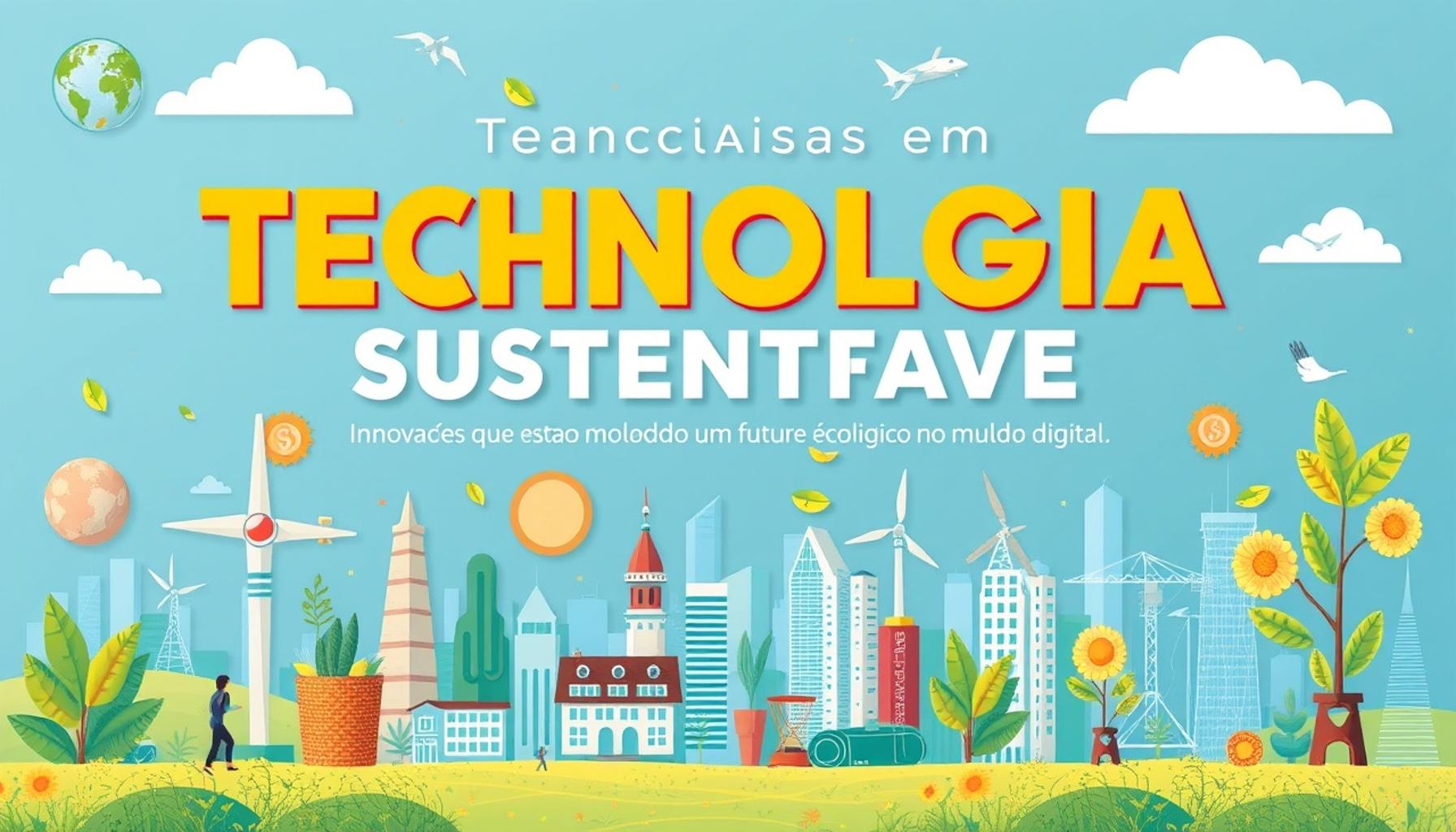
Understanding Sustainable Technology
In today’s rapidly evolving world, the intersection of technology and sustainability is more prominent than ever. As we face pressing environmental challenges such as climate change, deforestation, and resource depletion, innovative solutions are emerging that aim to create a more sustainable future. These advancements are not just changing how we live but are also redefining our relationship with the planet.
One of the most significant trends in sustainable technology is renewable energy solutions. Technologies like solar panels and wind turbines are becoming increasingly efficient and accessible. For instance, the cost of solar panel installation has dropped by almost 90% in the last decade. This reduction has allowed homeowners across the United States to harness solar energy, significantly lowering their electricity bills while contributing to a decrease in greenhouse gas emissions. Numerous states, such as California and Texas, are leading the way in solar adoption, with incentives that encourage the switch to clean energy.
Another exciting development is the rise of smart technology. Devices equipped with smart features can optimize energy consumption by learning user habits and adjusting accordingly. For example, smart thermostats like the Nest Learning Thermostat not only ensure that heating and cooling systems are efficient but also provide users with insights into their energy usage patterns. Programs that reward energy savings can lower costs, making smart technology a win-win for both consumers and the environment.
Circular economy models are also gaining traction as a means of promoting sustainability. This concept revolves around reusing and recycling materials rather than following the traditional linear model of take, make, and dispose. Companies like Patagonia exemplify this model by encouraging customers to repair and recycle their clothing instead of discarding them. Such practices not only minimize waste but can also lead to significant economic savings, reducing the need for new raw materials and promoting the longevity of products.
These developments are indicative of a growing recognition that technology can play a pivotal role in addressing climate change. They promote not only ecological responsibility but also economic growth and societal well-being. The transition toward sustainable technology is not merely an isolated trend; it is a necessary shift to ensure a thriving planet for future generations.
As we delve deeper into these innovations, we will explore how they are shaping a greener digital world. By understanding these trends, we can better appreciate the potential of sustainable technology to forge a thriving ecological future, ultimately leading to a better quality of life for all. Embracing these advancements today can pave the way for a more sustainable tomorrow.
DISCOVER MORE: Click here to learn about budget-friendly marketing strategies
Renewable Energy Solutions: Powering the Future
The move towards a more sustainable future heavily depends on the availability and adoption of renewable energy sources. Technologies like solar, wind, and hydroelectric power are not only revolutionizing the energy sector but also offering practical ways for individuals and businesses to reduce their carbon footprint. With renewable energy expected to comprise 50% of the global electricity supply by 2030, it is vital to understand these innovations.
Solar energy, in particular, has witnessed remarkable growth. Advances in technology have led to the development of high-efficiency solar panels, which can capture more sunlight and convert it into usable energy. This means that even homeowners with less than ideal roof space can benefit from solar installation. States like New Jersey and Florida are encouraging solar adoption through tax incentives and rebates, making it an attractive option for many households.
Wind energy is another cornerstone of the renewable sector. The construction of offshore wind farms has opened new doors for harnessing wind power. For instance, the Block Island Wind Farm in Rhode Island was the first of its kind in the United States, generating clean energy for thousands of homes. As we continue to invest in and expand this technology, the potential for wind energy to become a primary power source grows significantly.
Smart Technology: Enhancing Energy Efficiency
The integration of smart technologies across various sectors is playing a critical role in promoting energy efficiency. Smart devices are designed to monitor and manage energy usage, helping both consumers and businesses to optimize resource consumption. Here are some notable examples:
- Smart Thermostats: As mentioned earlier, devices like the Nest and Ecobee allow homeowners to regulate their heating and cooling systems, leading to substantial energy savings.
- Smart Meters: These devices provide real-time data on energy consumption, enabling users to make informed decisions about their usage patterns and potentially reduce their energy bills.
- Connected Appliances: Smart appliances can adjust their operation based on energy demand, further reducing electricity consumption when the grid is under stress.
The application of smart technology goes beyond individual households. For example, cities are employing smart grids to manage energy distribution efficiently. These networks can respond automatically to fluctuations in electricity demand, reducing the need for fossil fuel consumption during peak times.
The combination of renewable energy sources and smart technology marks a significant step towards an ecological future. By investing in these advancements, individuals and communities can take proactive steps in combating climate change while also enjoying economic benefits. As these technologies continue to evolve, their impact on our environment and daily lives becomes increasingly profound, paving the way for a more sustainable digital world.
DISCOVER MORE: Click here to learn about the benefits and drawbacks of credit cards
Green Transportation: Revolutionizing Mobility
The shift towards a sustainable future is also prominently reflected in the advancements of green transportation. As urbanization continues to surge, increased transportation needs have led to innovative solutions aimed at reducing emissions and enhancing energy efficiency. Electric vehicles (EVs), public transport innovations, and alternative fuel options are paving the way for a cleaner mobility landscape.
Electric vehicles have gained significant traction in recent years. Companies like Tesla have not only made EVs desirable through technology and design but have also spurred traditional automakers to invest heavily in electric alternatives. With federal tax credits and various state incentives, consumers are increasingly making the jump to EVs. In 2022 alone, electric vehicle sales in the United States surged by over 70%, reflecting a growing awareness of sustainable travel.
Public transportation systems are also evolving, with cities adopting clean energy buses and expanding rail networks. For example, Los Angeles has implemented electric buses, reducing greenhouse gas emissions in a city frequently impacted by air pollution. Moreover, cities like Seattle are enhancing accessibility through the development of light rail systems that harness renewable energy for operation. These public transport improvements not only reduce reliance on personal vehicles but also contribute to a broader reduction in urban emissions.
Sustainable Materials and Circular Economy
Another area where technology is driving sustainability is through the use of sustainable materials and the principle of a circular economy. This approach emphasizes reusing, recycling, and minimizing waste, fundamentally transforming how products are designed and manufactured. Companies are increasingly turning to biodegradable materials, recycled plastics, and organic textiles, while innovations in manufacturing processes continue to minimize resource consumption.
- Biodegradable Packaging: Brands like Coca-Cola are exploring plant-based plastics and other biodegradable materials for packaging, significantly reducing landfill waste.
- Recycled Materials in Fashion: Companies such as Adidas have introduced shoes made from recycled ocean plastics, combining style with environmental responsibility.
- 3D Printing: This technology allows for on-demand production of goods, drastically cutting down on excess material waste by creating items only when needed.
Furthermore, the concept of a circular economy encourages businesses to rethink their production cycles. For instance, initiatives like product take-back schemes allow consumers to return old products for recycling or refurbishment, promoting responsible consumption and minimizing electronic waste. By embracing these innovative strategies, businesses can enhance their sustainability profiles while aligning with consumer preferences for environmentally friendly products.
The interconnection of green transportation and sustainable materials is steering society towards a future where ecological considerations are at the forefront of consumer behavior and business practices. As awareness grows, the integration of such technologies not only addresses environmental challenges but also sets a robust foundation for a thriving ecological economy.
DISCOVER MORE: Click here to dive deeper
Conclusion
As we navigate the complexities of the 21st century, it becomes increasingly evident that sustainable technology is not just a trend, but a critical component in our pursuit of an ecological future. The advancements in green transportation, such as electric vehicles and clean public transportation, along with the innovative use of sustainable materials and circular economy principles, are paving the way for a significant transformation in how we live and consume. These changes are not merely beneficial; they are essential in addressing the pressing environmental challenges we face today.
Moreover, the integration of technology in these domains highlights the interconnectedness of sustainability and innovation. Companies that embrace eco-friendly practices, such as producing biodegradable packaging or utilizing recycled materials, are not only meeting consumer demand for responsible choices but are also setting benchmarks for industry standards. This shift is reflective of a growing societal awareness and responsibility towards our planet.
Ultimately, the continuous pursuit of sustainable technologies invites us all to participate actively in this transformative journey. From individual choices to larger corporate strategies, every action counts toward fostering a more sustainable future. As we embrace these innovations, we build a foundation for a resilient ecological economy that benefits both people and the planet. The path ahead may be challenging, but with collective effort and a commitment to sustainability, a greener, more equitable digital world is within our reach.

Linda Carter
Linda Carter is a writer and expert known for producing clear, engaging, and easy-to-understand content. With solid experience guiding people in achieving their goals, she shares valuable insights and practical guidance. Her mission is to support readers in making informed choices and achieving significant progress.