
The Role of 5G Technologies in the Revolution of Hybrid Events
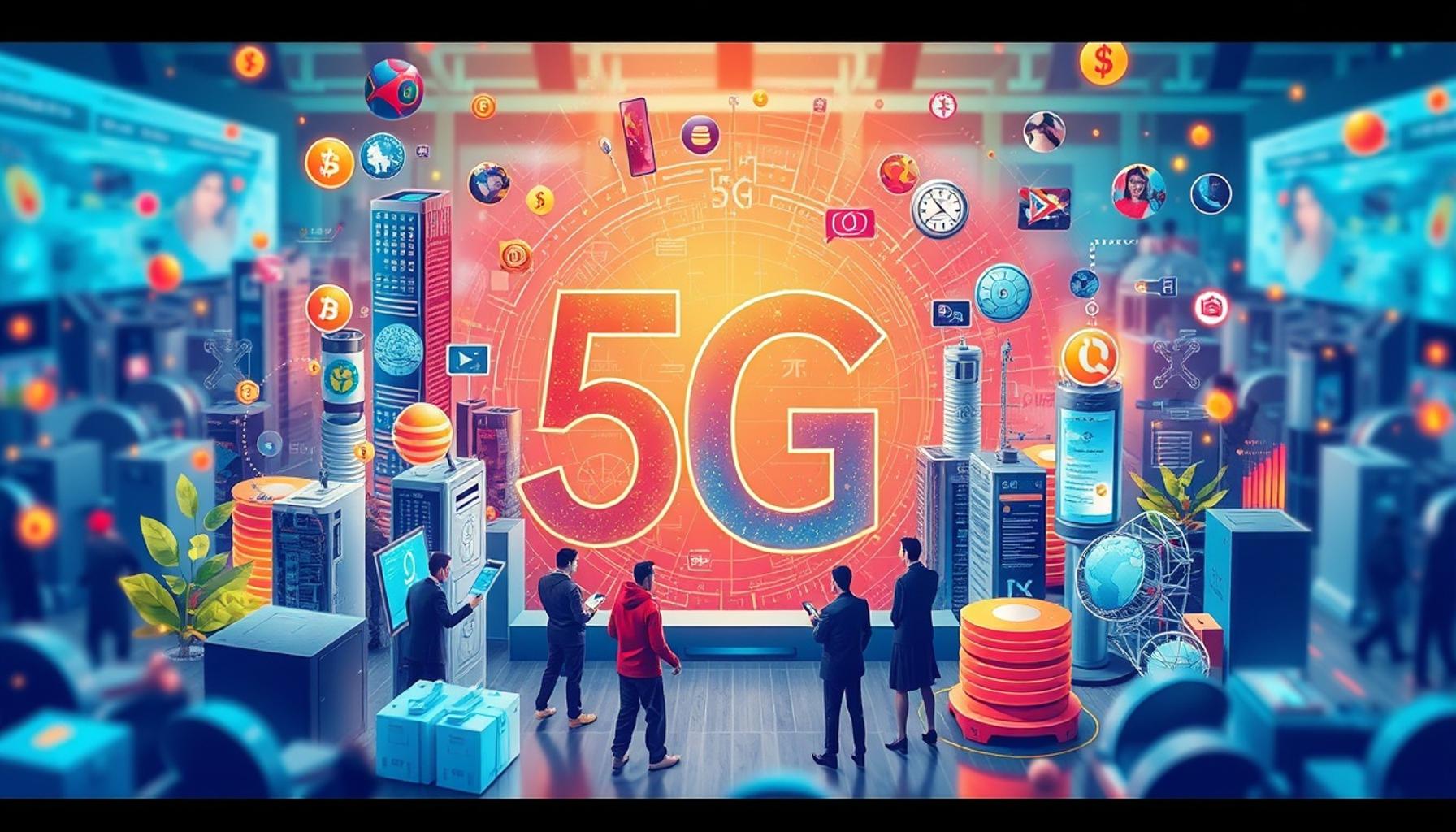
The Evolution of Hybrid Events
As the world continues to adapt to rapid technological advancements, hybrid events are emerging as a vital solution for organizations aiming to create inclusive and engaging experiences. By combining both in-person and virtual elements, these events not only optimize reach but also enhance audience interaction, catering to diverse preferences and circumstances.
The Impact of 5G Technology
The rollout of 5G technology is a game-changer for hybrid events, significantly enhancing their effectiveness and accessibility. This next-generation network brings promises of innovation, allowing organizers to harness the power of technology in ways that were previously thought to be unattainable. Here are some pivotal advantages of 5G:
- Faster Connectivity: With 5G, internet speeds can reach up to 100 times faster than 4G. This means that attendees can stream high-definition video content without interruption, allowing for an immersive viewing experience whether they are onsite or online. For example, a live concert featuring multiple artists can be streamed seamlessly to thousands of virtual attendees worldwide.
- Low Latency: One of the standout features of 5G is its remarkably low latency. This reduces delays, making real-time interactions during events feel immediate. Imagine a panel discussion where virtual attendees can ask questions while the discussion is happening, leading to dynamic and engaging dialogues instead of waiting for a Q&A segment.
- Enhanced Capacity: 5G can support a higher number of devices connecting simultaneously. This aspect is crucial for large-scale events, such as trade shows or conferences, where thousands of participants—both in-person and virtual—interact simultaneously without compromising on performance.
Creating Immersive Experiences
With the advantages provided by 5G, organizations can craft more innovative and immersive experiences for their attendees. For instance, event planners can incorporate technologies like augmented reality (AR) and virtual reality (VR) into their events. Imagine walking through a virtual exhibit where you can interact with 3D models of new products, or attending a workshop where participants can practice skills in a simulated environment. This kind of interactivity transforms traditional event formats into engaging learning experiences.
Redefining Attendee Experience
As we navigate this new landscape, understanding the role of 5G in reshaping hybrid events is essential. The ability to communicate effectively enhances not only the delivery of content but also redefines attendee experiences and expectations. With these advancements, organizations can foster a sense of connection amongst participants, irrespective of their physical location.
In conclusion, as hybrid events continue to gain traction, leveraging 5G technology promises to elevate the quality of these experiences. By embracing this transformative technology, organizations can ensure they remain relevant and responsive to the evolving needs of their audiences.
DIVE DEEPER: Click here to discover top finance management tools
Empowering Engagement Through Technology
As hybrid events gain momentum, the integration of 5G technology significantly enhances the potential for attendee engagement and satisfaction. The ability to connect virtually allows organizations to provide audiences with varied experiences, but the speed and reliability of these experiences are crucial. 5G not only addresses these needs but also redefines how events can be structured to maximize interaction and enjoyment.
Transforming Interactive Features
The features enabled by 5G open up a realm of possibilities for interactions during hybrid events. The fast data speeds and low latency mean that organizers can incorporate more interactive elements that engage both in-person and virtual attendees. Examples of such features include:
- Live Polling and Voting: Using 5G, real-time polling can engage participants during sessions, allowing them to express their opinions or vote on key issues immediately. This instant feedback can guide discussions and make attendees feel involved.
- Q&A Sessions: With 5G’s low latency, virtual attendees can pose questions during live talks, rather than waiting for a designated Q&A period. This leads to a more organic flow of conversation and ensures that audience interests are addressed promptly.
- Networking Opportunities: Digital platforms can offer intuitive features like virtual lounges or breakout rooms that simulate networking as if attendees were present in person. 5G ensures that connections can be made effortlessly and conversations can flow without technical glitches.
In addition to enhancing engagement, 5G technology also fosters greater personalization in hybrid events. Utilizing data analytics, organizers can tailor sessions and content to align with attendee preferences, providing a customized experience that resonates more with participants. For example, artificial intelligence tools can analyze attendee behavior to suggest sessions or workshops that might interest them, whether they are attending in person or virtually.
Bridging the Gap Between Virtual and In-Person Experiences
Another remarkable impact of 5G in hybrid events is its role in creating seamless connections between in-person and virtual participants. With reliable high-speed connections, physical attendees can engage with their virtual counterparts through live video feeds and chat platforms. This bridging reduces the feeling of separation, ensuring that all participants are equally valued and included.
Moreover, the capability to broadcast high-fidelity audio and video enables experiences that closely mimic in-person attendance. For example, a keynote speech can be live-streamed with crystal clear quality, allowing online attendees to experience the event as if they were there. This not only boosts engagement but also drives a larger audience base, extending the reach of organizations far beyond geographical limitations.
In summary, the transformative power of 5G technologies is reshaping the landscape of hybrid events by enhancing engagement, interaction, and inclusiveness. By leveraging these advancements, event organizers can create compelling experiences that captivate both physical and digital audiences, ultimately leading to a richer overall experience.
DISCOVER MORE: Click here to learn about dynamic pricing strategies
Enhancing Content Delivery and Accessibility
As we delve deeper into the enhancements brought by 5G technologies, one cannot overlook its transformative impact on content delivery and accessibility during hybrid events. With the traditional limitations faced in data transmission now a thing of the past, organizers can utilize high-quality production methods that elevate the overall event experience.
High-Quality Streaming for All
One of the standout features of 5G technology in hybrid events is its capability to deliver high-definition (HD) streaming with minimal buffering. This means that both in-person and virtual attendees can enjoy rich visual and audio presentations without interruptions. For instance, a panel discussion broadcast live can utilize advanced camera setups and sound equipment to ensure that the experience is immersive for all viewers, regardless of their location.
Moreover, the introduction of virtual reality (VR) and augmented reality (AR) components in hybrid events becomes feasible with the ultra-reliable low-latency communication that 5G offers. Organizers can craft environments where virtual participants feel as if they are physically present through 3D visuals delivered stably over 5G. Imagine walking through a virtual exhibition hall or interacting in a VR session where the speakers’ presence feels tangible—this is no longer a futuristic concept but an achievable reality.
Streamlined Registration and Access
5G technology also enhances logistics, particularly in registration and access processes, making them seamless and user-friendly. Many event organizers are adopting mobile applications for event management that leverage 5G to ensure instant updates and notifications to attendees. For example, attendees can receive real-time alerts about session changes, personalized recommendations for workshops based on their interests, or alerts about networking opportunities. This keeps everyone informed and engaged without overwhelming them with information.
Furthermore, streamlined access through features like facial recognition and mobile ticketing can reduce queue times and improve the overall flow of the event. By employing these technologies, event planners can create a smoother experience that minimizes delays and maximizes time spent enjoying the sessions, networking, and learning.
Increased Inclusivity Through Accessibility Features
The role of 5G is pivotal in enhancing the inclusivity of hybrid events, making them accessible to a broader audience. Consider the diverse needs of potential attendees; real-time captioning powered by 5G can ensure that those with hearing impairments can participate fully in discussions. Similarly, translation services can be integrated, allowing international participants to experience content in their preferred languages without noticeable delays.
- Real-Time Translation: This feature allows attendees from various linguistic backgrounds to connect meaningfully, promoting a diverse environment where everyone can contribute regardless of the language spoken.
- Remote Access for Underrepresented Groups: Those who may not have the means or ability to travel can still partake in enriching experiences through remote access enabled by 5G, broadening the potential audience.
- Visual Aids and Signage: Using 5G, digital aids can be updated instantly or customized based on attendee needs, ensuring that everyone has access to important information throughout the event.
Ultimately, 5G technology is not simply facilitating hybrid events; it is actively reshaping the way we engage, interact, and communicate, creating an environment where every participant—whether in person or online—can thrive. The result is a more cohesive and enriched experience where each attendee can feel adequately included and valued.
DISCOVER MORE: Click here to learn how to apply
Conclusion: Embracing the Future of Hybrid Events
In summary, the integration of 5G technologies into hybrid events marks a significant milestone in how we communicate and connect in our increasingly digital world. By enabling high-definition streaming with minimal interruptions, 5G transforms the experience for both in-person and virtual attendees, ensuring that everyone enjoys a seamless and immersive environment. This technology facilitates the incorporation of cutting-edge features such as virtual reality (VR) and augmented reality (AR), transporting participants into dynamic interactions that were once thought to be a distant dream.
Furthermore, the advancements in logistics and accessibility fueled by 5G enhance the overall event experience. The implementation of real-time notifications and personalized features through mobile applications allows for a more organized and engaging environment. Additionally, the inclusivity brought about by real-time translation and accessibility tools ensures that every voice can be heard and valued, regardless of physical presence or language barriers.
As we embrace the potential of 5G, it is essential for event organizers and participants alike to recognize its transformative power. By leveraging these technological advancements, we can create hybrid events that are not only more efficient but also more inclusive and engaging. The future of hybrid events is bright, and with 5G leading the way, we are well on our path to redefining how we gather, share, and learn in a connected world.

Linda Carter
Linda Carter is a writer and expert known for producing clear, engaging, and easy-to-understand content. With solid experience guiding people in achieving their goals, she shares valuable insights and practical guidance. Her mission is to support readers in making informed choices and achieving significant progress.