The First Steps to Build a Solid Investment Portfolio

Understanding Your Financial Future
Embarking on your investment journey can feel overwhelming, but taking the first steps can lead to a future filled with financial stability and growth. The desire for financial freedom resonates with many; with careful planning and informed decisions, you can craft a portfolio that mirrors your personal goals and aspirations. Starting your investment journey today empowers you to shape your own financial destiny, offering a bright horizon filled with opportunities.
Define Your Goals
Your journey begins with outlining what you wish to achieve through investing. Understanding your goals is paramount, as they serve as the guiding star for all your financial decisions. Are you aiming for a comfortable retirement? Perhaps you dream of buying your own home, or you may wish to set aside funds for your children’s education. Each goal demands a different strategy and time frame. Think about whether your objectives are short-term, such as saving for a vacation, or long-term, like building wealth for future generations. Crafting SMART goals—Specific, Measurable, Achievable, Relevant, and Time-bound—can help you stay focused and motivated.
Assess Your Risk Tolerance
Another crucial step is to assess your risk tolerance. This is about understanding how much risk you are willing and able to take without it causing you undue stress. Generally, younger investors can afford to take more significant risks, often investing more heavily in stocks due to their long-term nature. Conversely, those nearing retirement might prioritize more conservative investments, focusing on preservation of capital. Factors influencing your risk tolerance may include your financial situation, investment timeline, and emotional response to market fluctuations. Taking a risk assessment quiz can help clarify where you stand on the risk spectrum.
Educate Yourself
As you delve into your investing journey, it’s vital to educate yourself about various investment avenues. Familiarizing yourself with stocks, bonds, mutual funds, and real estate can illuminate diverse paths for growing your wealth. For instance, stocks may offer high returns, but they also come with increased volatility. Real estate can provide stable income through rental properties while often appreciating over time. Mutual funds allow you to pool resources with other investors, diversifying your risk. Engaging with financial literature, online courses, podcasts, or even local workshops can expand your understanding and help you make informed investment choices.
As you prepare to invest, cherish the fact that the journey is just as meaningful as the destination. Each decision you make builds a pathway towards financial independence, fostering discipline and growth. Start with small, manageable steps, and embrace the learning process that comes with patience and insight. Regularly reviewing and adjusting your strategies is essential; your investment strategy should evolve with your life circumstances and market conditions.
The key is to remain adaptable and open to new opportunities that may come your way. Seize knowledge, carefully weigh your options, and remember that it’s never too late—or too early—to begin investing. By making conscious and responsible choices today, you lay the groundwork for a brighter financial future filled with possibilities.
DON’T MISS: Click here to boost your emergency funds
Building a Foundations of Knowledge
With your goals and risk tolerance defined, the next pivotal step on your investment journey is to develop a solid foundation of knowledge. Understanding the fundamental concepts of investing is not just beneficial—it’s essential for making confident decisions that align with your financial aspirations. As you expand your financial literacy, you’ll gain the confidence to navigate the complexities of the market and seize opportunities as they arise.
Dive into Different Investment Types
Investing isn’t a one-size-fits-all endeavor. It’s crucial to explore various types of investments and understand how they can fit into your overall strategy. Here’s a brief overview of common investment types:
- Stocks: Owning shares in a company allows you to participate in its growth and profits. Stocks can be volatile but historically provide high returns over the long term.
- Bonds: These fixed-income securities are loans made to corporations or governments. They tend to be less risky than stocks and offer more stable returns.
- Mutual Funds: Pooled investments managed by professionals, mutual funds diversify among stocks, bonds, or other assets to spread risk while seeking returns.
- Exchange-Traded Funds (ETFs): Similar to mutual funds, ETFs are collections of assets that trade on exchanges. They provide flexibility and typically have lower fees.
- Real Estate: Investing in property can generate rental income and long-term appreciation. It’s an asset that often withstands market fluctuations.
Embrace the Power of Diversification
With an understanding of the available investment types, the next step is to embrace diversification. This strategy involves spreading your investments across different asset classes, industries, and geographic regions. The idea here is simple: when one sector faces challenges, others may thrive, helping reduce overall portfolio risk. Imagine your investments as a garden—you wouldn’t plant just one type of flower. By nurturing a variety of plants, you create a vibrant and resilient landscape.
When crafting a diversified portfolio, consider factors such as:
- Your investment goals and time horizon
- Your risk tolerance
- The current economic environment and market trends
- The correlations between different asset classes
Diversification is not simply about owning multiple assets; it’s about strategically planning how these assets interact with one another to protect your portfolio from volatility. As you increase your knowledge and understanding of your investment options, you’ll be better equipped to build that solid portfolio tailored to your unique needs.
Finally, don’t underestimate the value of seeking guidance. Consider consulting financial advisors or investment professionals who can provide insights tailored to your situation. Armed with knowledge, a diversified approach, and possibly professional advice, you will be more confident in making informed decisions and adapting strategies as market conditions change. This foundational understanding lays the groundwork for a successful investment journey, guiding you toward a prosperous financial future.
DISCOVER MORE: Click here to learn about the Emirates Skywards Rewards World Elite Mastercard
Setting Up Your Investment Account
Now that you’ve established a foundational knowledge of investing and diversification, the next step is to set up your investment account. This crucial phase transforms your financial aspirations into actionable plans. Selecting the right type of account can significantly influence your investment journey and help you achieve your goals more effectively.
Choosing the Right Account Type
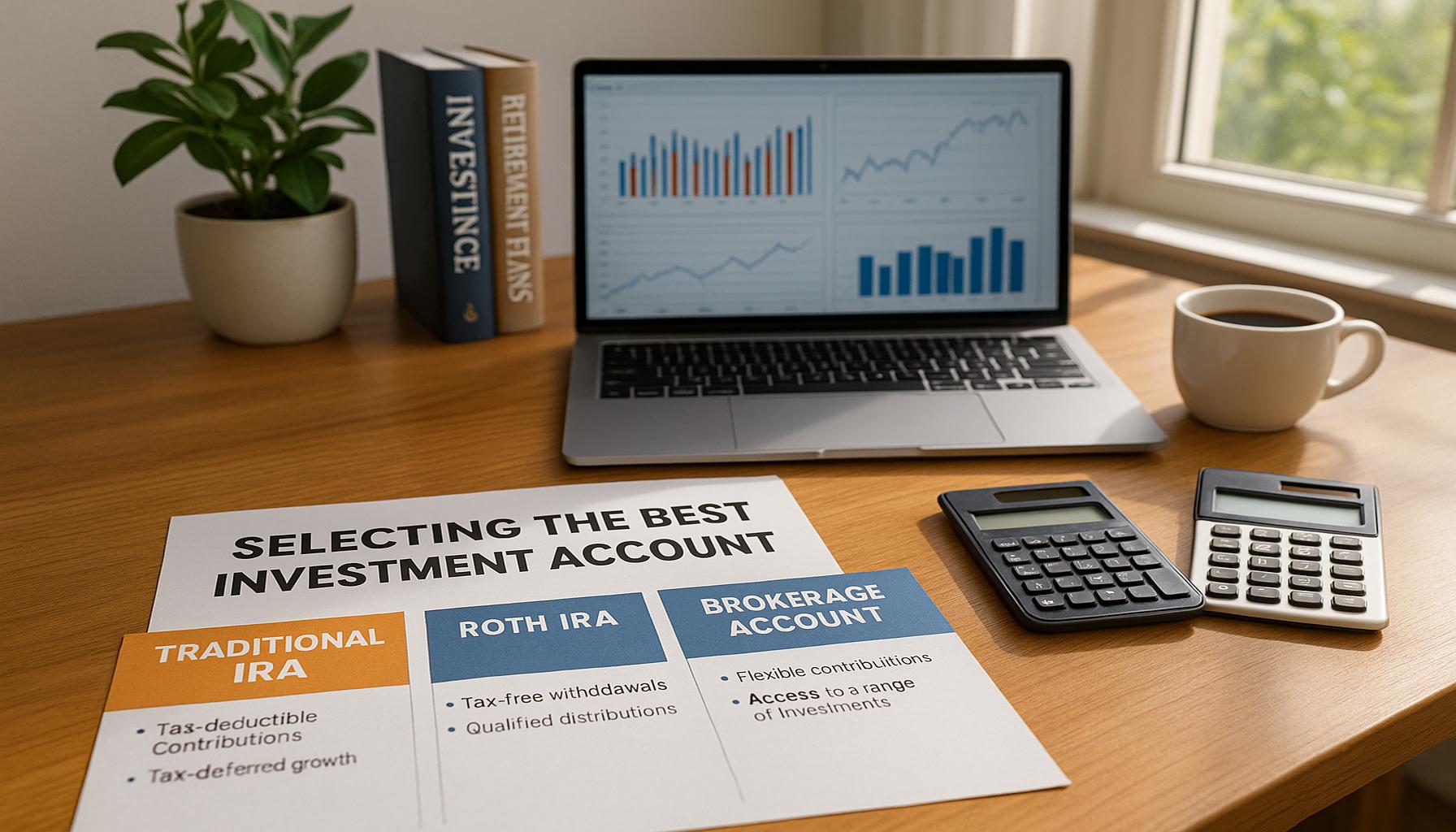
For many investors, the first step is opening a brokerage account. However, the variety of accounts available can be overwhelming. Here’s a simple breakdown of some common types:
- Individual Brokerage Account: This standard account lets you buy and sell a variety of investments, including stocks, bonds, ETFs, and mutual funds. There are typically no income limits, making it accessible for everyone.
- Retirement Accounts: Accounts like a 401(k) or an Individual Retirement Account (IRA) provide tax advantages for long-term retirement savings. Contributions may be pre-tax or post-tax, depending on the specific account. Take advantage of employer matches in company-provided 401(k)s—they’re essentially free money!
- Education Savings Accounts: If your goals include funding your child’s education, consider options like a 529 Plan. These accounts offer tax benefits and are specifically designed for education expenses.
When selecting an account, assess your investment timeline and financial goals. A retirement account may be the key to secure your long-term life, while a standard brokerage account can provide flexibility for shorter-term investments. Choose wisely; the right account will empower you to maximize your investment potential.
Utilizing Online Brokerage Platforms
The digital age has revolutionized how we invest, making it easier than ever to access the markets. Online brokerage platforms offer a variety of tools and resources to assist you through your investment journey. When selecting a platform, consider factors such as:
- Fees: Some brokers charge commissions or monthly fees, while others offer commission-free trading. Understanding these costs will ensure that you maximize your investment returns.
- Research Tools: Robust platforms provide research reports, stock screeners, and investment analysis, enabling you to make informed decisions.
- User Experience: Choose a user-friendly interface that suits your level of expertise. Many platforms offer mobile apps to monitor investments on the go.
Embrace the convenience that online brokers provide, but remain diligent in your research before choosing the right one for your needs. Comprehensive tools can help you make informed decisions, raising your investment acumen and fostering confidence.
Start Small and Build Momentum
Once you’ve selected your account and brokerage platform, it’s time to start investing. If you’re feeling apprehensive, remember the adage: slow and steady wins the race. Starting small allows you to gradually acclimate to the market dynamics without overwhelming yourself. Consider starting with low-cost index funds or ETFs to stabilize your initial investments, while you continue to learn and build your strategy.
Investing is a long-term journey, and the key is to stay committed to your goals. Regularly contribute—whether monthly or quarterly—and watch your investments grow over time. This habit not only fosters discipline but also capitalizes on the power of compounding interest, further amplifying your financial future.
As you embark on this investment odyssey, let each step you take lead you closer to your financial aspirations. With the right accounts, diligent research, and a commitment to progress, you’ll be well on your way to building a resilient investment portfolio that reflects your values and dreams.
LEARN MORE: Click here to discover essential financial tools
Conclusion
Embarking on your investment journey can seem daunting, yet the first steps you take can significantly shape your financial future. As you establish a solid investment portfolio, remember that knowledge, flexibility, and consistency are your most valuable allies. Understanding the various types of investment accounts sets the groundwork for your strategy, allowing you to align your choices with your long-term objectives. By leveraging online brokerage platforms, you have access to robust tools that make informed investing not just achievable, but exciting.
Starting small is vital; it allows you to learn the mechanics of the market without overcommitting. This gradual approach cultivates discipline, enabling you to build momentum over time. Contributing regularly, whether through monthly deposits or reinvesting dividends, harnesses the power of compounding interest—an invaluable principle that expands wealth effortlessly.
Investing isn’t merely about numbers; it’s about building a future that resonates with your personal values and aspirations. As you strive to create a portfolio that reflects your goals, remember that every small step counts. Keep learning, adapting, and staying committed. With focus and determination, you will cultivate not just wealth, but a sense of confidence and empowerment that comes from taking charge of your financial destiny.
So, take that leap of faith and start your journey today; your future self will thank you for the decisions you make in this pivotal moment.