

The Effects of Excessive Credit Card Use on Mental Health
The Unseen Burden of Credit Card Debt
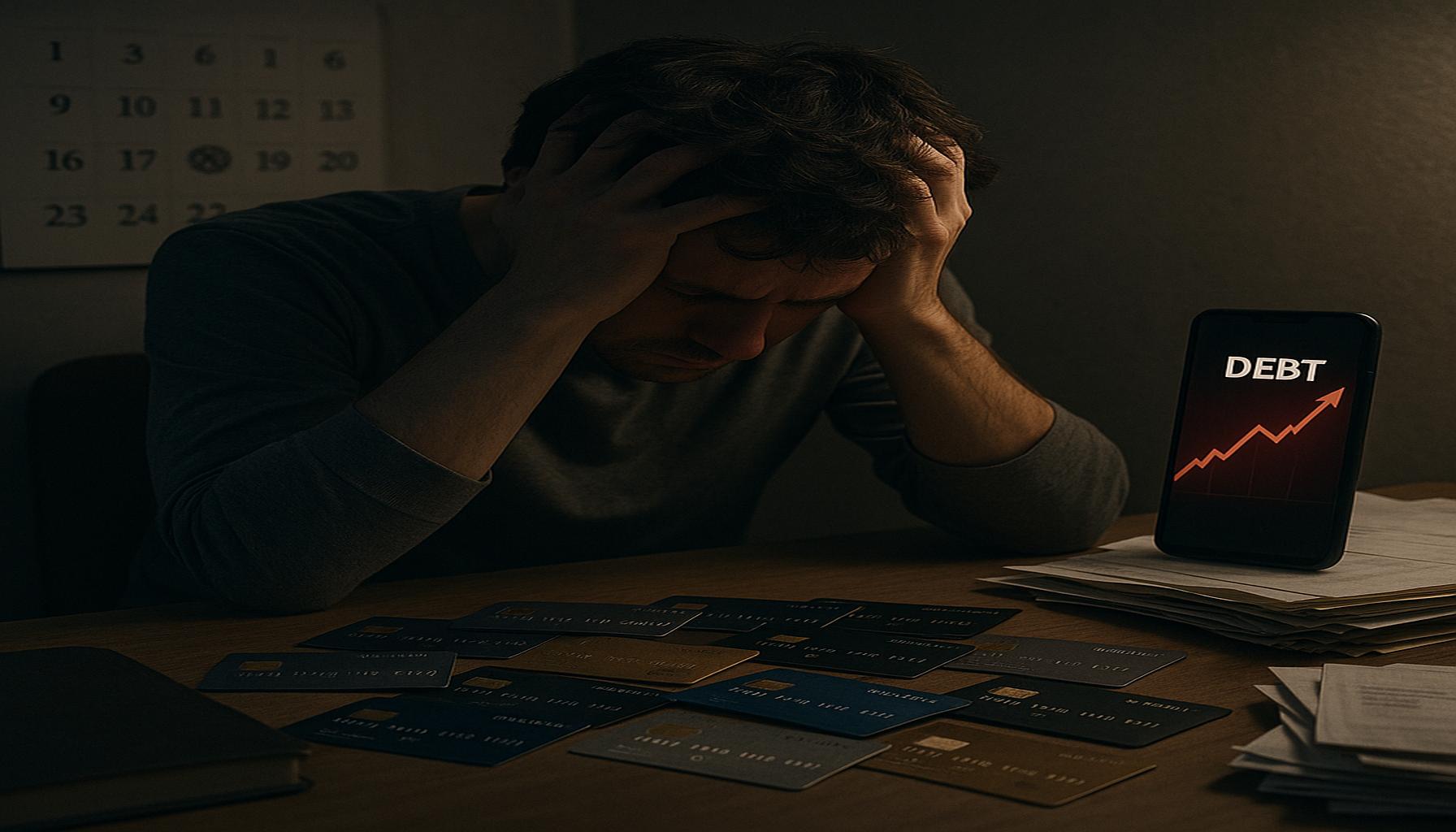
In today’s fast-paced world, credit cards serve as a convenient means to manage expenses, allowing consumers to make purchases without immediate cash on hand. However, the ease and accessibility they offer can lead to unforeseen challenges that impact our mental health in profound ways. As individuals increasingly rely on credit cards, many find themselves spiraling into a cycle of debt, one that fosters pervasive stress and anxiety.
Excessive credit card use can contribute to various mental health challenges, including:
- Increased Stress: The burden of overspending creates legitimate financial worries. Imagine receiving your monthly statement, only to be confronted with a total that far exceeds your expectations. This revelation can lead to sleepless nights, constant worry, and an incessant feeling of being overwhelmed.
- Feelings of Guilt: Many people grapple with immense shame upon realizing how much they owe. This guilt can cloud judgment and lead to isolation, as individuals may avoid discussing their financial struggles with friends and family for fear of judgment.
- Anxiety Disorders: The relentless cycle of repayment can exacerbate feelings of anxiety. With every missed payment or accrued interest, the pressure mounts. This burden may morph into generalized anxiety disorder, where individuals feel perpetually uneasy and unable to escape their financial turmoil.
Recognizing these effects is the first step towards cultivating a healthier financial lifestyle. By acknowledging how our spending habits influence our mental state, we can begin to take responsible, effective actions to improve our financial practices. Embracing a mindful approach to credit use not only fosters better financial health but also enhances our psychological well-being.
To initiate this shift, consider setting a strict budget that aligns your spending with your income. This means tracking every purchase, no matter how small, and reflecting on your motivations. Ask yourself whether you truly need that new gadget or if it’s merely a fleeting desire fueled by social media. Tools like budgeting apps can provide clarity and help visualize your spending patterns, empowering you to make informed choices.
Lastly, seek support from communities dedicated to financial literacy. Whether it’s attending workshops or following online resources, learning from others’ experiences can provide inspiration and motivation to forge a healthier financial path. By taking these steps, we can strive not only for financial stability but also for emotional peace in our lives.
DISCOVER MORE: Click here to learn about the World Elite Mastercard
The Emotional Toll of Debt
As consumers, many of us view credit cards as a double-edged sword. While they provide us immediate access to funds and opportunities to build credit, excessive use can lead to a daunting emotional and psychological burden. When the thrill of purchasing on credit turns into the dread of repayment, the repercussions can be detrimental to our mental health.
Many individuals fail to recognize the gradual shift from convenience to burden. Credit cards often give a false sense of security, allowing us to indulge in desires without immediate repercussions. However, this habit can build to a tipping point where one finds themselves trapped under a heavy cloud of debt that casts shadows over daily life. The anticipation of monthly payments can create an undercurrent of dread, impacting mental well-being in alarming ways.
Some of the key emotional consequences of excessive credit card use include:
- Overwhelm and Anxiety: As debt accumulates, individuals may feel a growing sense of panic. The never-ending cycle of spending, borrowing, and repaying can lead to a state of constant anxiety. Recognizing that payments are due can spark panic attacks, with individuals feeling as though they are drowning in a sea of bills, which in turn affects their ability to focus on work and enjoy time with loved ones.
- Depressive Symptoms: Overspending can lead to isolation and hopelessness. The pressure of unpaid debts can become so overwhelming that individuals may withdraw from social activities, resulting in feelings of loneliness and depression. Once vibrant connections with friends may falter as people prioritize their financial struggles over socializing.
- Loss of Self-Esteem: Experiencing financial difficulties can deeply affect personal identity. For many, being in debt may evoke feelings of inadequacy or failure. This cycle of shame can hinder personal growth and create a fragile sense of self-worth, leading to a negative self-image that can be difficult to shed.
By becoming aware of these emotional repercussions, individuals can take significant steps toward reclaiming their mental health alongside their financial stability. Understanding how credit card usage intertwines with emotional well-being is crucial in reversing the damaging effects. With the right approach, individuals can not only address their financial habits but also fortify their mental resilience.
Taking proactive measures can make a substantial difference. Start by cultivating a more mindful attitude towards spending. Reflecting on each purchase and its necessity can help curb impulsive behavior. Create an actionable plan that prioritizes essential expenses over indulgences. Engaging in conversations around financial literacy with friends or family can also open doors to accountability, transforming financial struggles into collective learning experiences. By fostering awareness and community, we can steer ourselves toward a healthier relationship with money and ultimately, our mental health.
DISCOVER MORE: Click here to learn how to optimize your savings strategy
The Cycle of Fear and Financial Stress
The relationship between excessive credit card use and mental health goes beyond the immediate emotional reactions of anxiety and depression. It can also create a profound sense of fear that permeates all aspects of life. This cycle of fear and financial stress often leads to unhealthy coping mechanisms and further exacerbates mental health challenges. Understanding this cycle is crucial for breaking free from the grip of excessive debt.
For many individuals, every swipe of the card translates into a ticking time bomb. The fear of not being able to meet financial obligations can lead to heightened stress levels and a constant state of vigilance. According to a study conducted by the American Psychological Association, individuals with high debt levels report increased levels of psychological distress, including feelings of helplessness and paranoia about their financial futures. This stress can seep into various aspects of life, affecting relationships, work performance, and overall quality of life.
Some of the additional emotional consequences tied to the cycle of fear include:
- Relationship Strain: The financial strain caused by excessive use of credit cards can lead to arguments and tension in relationships. Couples may find themselves in conflicts over spending habits, creating a rift that serves to isolate them further. Instead of enjoying shared experiences, the focus turns to monetary woes, driving a wedge between partners and families.
- Increased Risk of Substance Abuse: As financial pressures compound, some may turn to unhealthy coping mechanisms, such as alcohol or drugs, to numb the stress of their financial reality. This can worsen one’s overall mental health, resulting in a vicious cycle whereby the individual feels trapped and hopeless.
- Difficulty in Seeking Help: The stigma surrounding debt can lead individuals to remain silent about their struggles. They may feel ashamed to ask for help from friends, family, or professionals. This isolation only intensifies their emotional burden, resulting in a reluctance to seek support for both their financial and mental health issues.
However, recognizing the signs of this cycle is a powerful first step toward healing. Seeking help should not be seen as a sign of weakness, but rather as a bold move toward regaining control over one’s life. Many community organizations and nonprofits offer resources for financial education and mental health support. Programs aimed at managing debt can provide individuals with the tools needed to create realistic repayment plans, fostering a sense of empowerment and alleviating the anxiety tied to their financial situation.
In addition, incorporating mindful practices such as meditation, yoga, or journaling can help individuals process their emotions related to money. These practices not only improve mental well-being but can also provide clarity and enhance decision-making capabilities. When individuals take the time to breathe and reflect, it can guide them to make more responsible financial decisions that will contribute to long-term mental health benefits.
At the same time, it’s essential to foster open conversations about money. Discussions surrounding financial literacy can dissolve the stigma and encourage individuals to share their experiences. By building a supportive community, people can combat feelings of isolation and foster resilience. This effort requires recognizing that we are all navigating the complex world of finances together, and it’s perfectly okay to seek help and support as we forge our paths toward financial and mental wellness.
DIVE DEEPER: Click here to learn how to create a retirement plan from scratch
Embracing Financial Empowerment for Mental Well-being
As we have explored, the repercussions of excessive credit card use extend far beyond financial burdens; they profoundly influence mental health and overall well-being. The cycle of fear and financial stress not only heightens anxiety and depression but can also lead to strained relationships, unhealthy coping mechanisms, and a reluctance to seek help. Recognizing this cycle is an empowering first step toward reclaiming control over one’s life and mental health.
It’s important to shift the narrative around financial struggles; rather than seeing them as a source of shame, we should embrace them as opportunities for growth and learning. Utilizing available resources, whether through community organizations or financial education programs, provides individuals with the skills to develop healthy financial habits. These actions can help alleviate anxiety and foster a sense of stewardship over one’s finances.
Furthermore, integrating mindful practices into daily routines offers a pathway to manage emotions tied to financial stress. Techniques like meditation, yoga, and journaling can cultivate clarity, resilience, and informed decision-making abilities that pave the way for better financial choices.
Ultimately, having open conversations about money can dismantle stigma and encourage support among individuals facing similar challenges. By fostering a community of understanding and shared experiences, we can empower each other on the journey toward not only financial stability but also mental wellness. Let us take steps toward a future where financial literacy and openness lead to healthier minds and happier lives.


