
How to Create an Efficient Budget to Maximize Your Savings
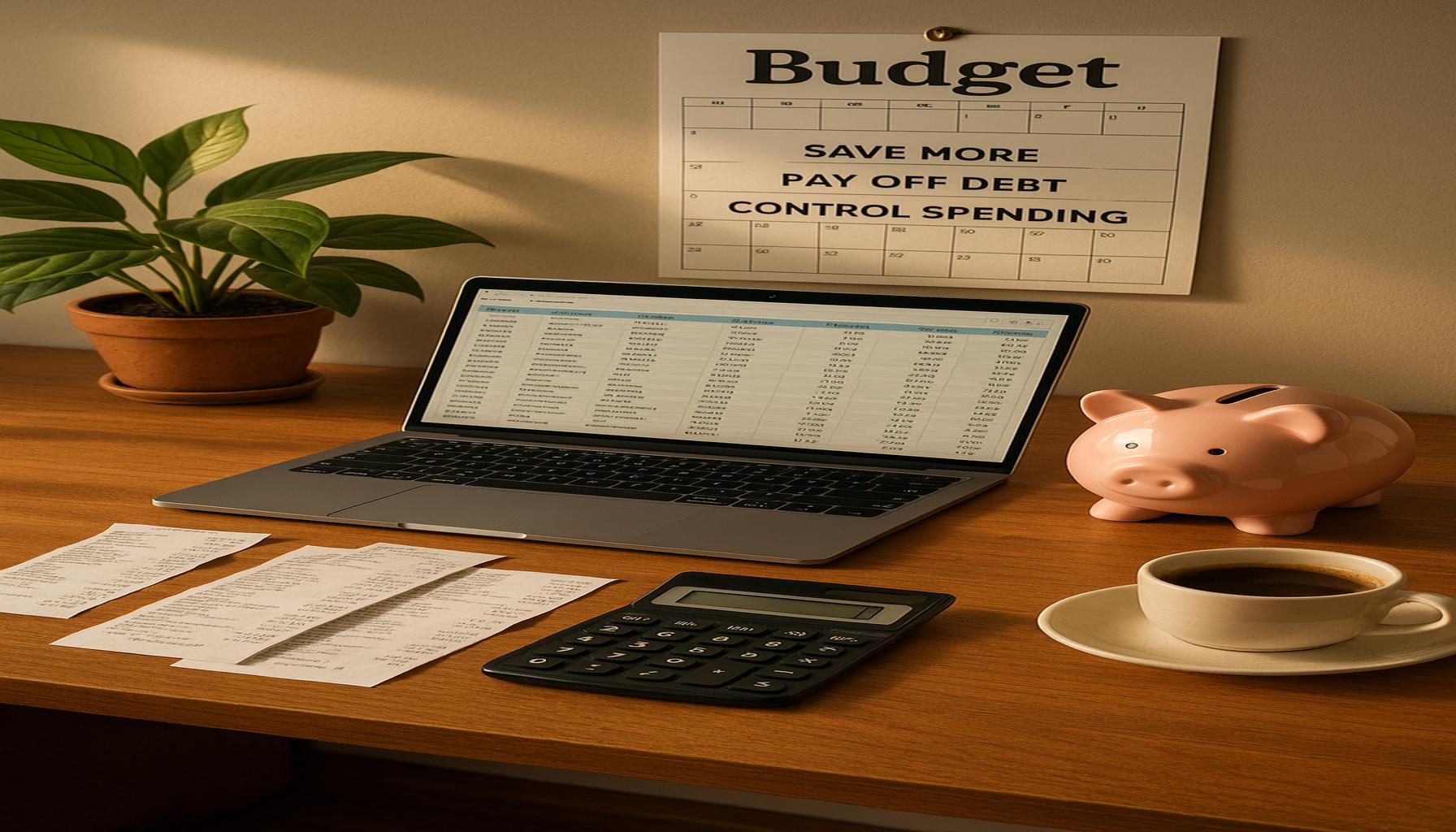
The Power of Budgeting
In today’s fast-paced world, having a spending plan is not just practical; it’s essential for maintaining financial stability. A well-crafted budget acts as a roadmap, guiding you toward your financial goals and ensuring that you are prepared for life’s inevitable twists and turns. With every dollar allocated thoughtfully, you can take charge of your finances and foster a sense of security in an uncertain economic environment.
Beyond being a mere financial tool, a budget instills a sense of discipline and awareness. By distinguishing between essential and discretionary spending, you can prioritize what genuinely enriches your life. For instance, rather than impulsively buying coffee daily, you might consider brewing your favorite blend at home, allowing you to redirect that money toward something significant, like a trip to visit family or perhaps investing in a health savings account.
Benefits of Creating a Solid Budget
- Resilience: Life is unpredictable, and having a budget equips you to handle unforeseen expenses. For example, if your car breaks down, the financial buffer created by a budget allows you to cover repairs without derailing your finances. This resilience fosters confidence in your financial management abilities.
- Clarity: With a clear understanding of your expenditure, you gain the power to make informed decisions about your spending habits. Knowing that you have allocated funds for essential bills and leisure activities, allows you to enjoy a night out without the guilt that often accompanies financial uncertainty.
- Growth: A budget empowers you to redirect surplus cash toward savings or investments. For example, aiming for a specific financial goal, like a down payment on a house, can be thrilling when you see your savings grow through disciplined budgeting. This transformational journey can also set you up for future endeavors like retirement or educational funds for your children.
Embracing budgeting is indeed an empowering experience. Start by identifying your income and fixed expenses, such as rent or mortgage, utilities, and insurance. Next, account for variable costs like groceries and entertainment. From there, create realistic savings goals, aiming to set aside a specific percentage of your income—many experts recommend at least 20% of your earnings.
It’s essential to remember that budgeting is not about restriction; it’s about making your financial aspirations a tangible reality. Whether you dream of finally taking that cross-country road trip or investing in your personal development, a comprehensive budget can help you achieve those dreams. By keeping your financial health in check, you also pave the way for a brighter, more confident future.
DISCOVER MORE: Click here to learn how to save money without sacrificing comfort
Mapping Out Your Financial Landscape
Creating an efficient budget begins with a clear understanding of your current financial situation. The first step is to assess your total monthly income, which includes your paycheck, side hustles, and any passive income streams. This comprehensive view of your earnings sets the foundation for your budget, helping you navigate where you stand financially.
Next, it’s crucial to categorize your expenses into fixed and variable costs. Fixed expenses are those that remain relatively constant each month, such as rent or mortgage payments, insurance premiums, and monthly subscriptions. On the other hand, variable expenses fluctuate and include groceries, dining out, entertainment, and shopping. Understanding this distinction enables you to identify areas where spending can be tightened.
Once you’ve pinpointed your fixed and variable expenses, it’s time to dive deeper into your spending habits. Analyze your previous month’s bank statements to unveil patterns—are you consistently overspending in certain categories? Perhaps you didn’t realize how much you splurged on takeout, or maybe those late-night online purchases add up more quickly than you thought. Keeping track of every dollar spent increases your financial awareness and helps you cultivate healthier spending habits.
Setting Meaningful Budget Goals
Now that you have a clear snapshot of your finances, the next critical step in crafting your budget is to set specific and realistic financial goals. These goals can be short-term, like saving for a vacation, or long-term, such as building an emergency fund or saving for retirement. Here are a few steps to help you establish those goals:
- Prioritize Your Needs: Determine which goals are most important to you. This prioritization ensures that your budget aligns with your values and life ambitions.
- Create a Savings Plan: Decide on the amounts you aim to save each month. For instance, a common guideline is to allocate at least 20% of your income toward savings and investments.
- Set Timeframes: Assign a timeline to each goal. Whether it’s six months, a year, or five years down the road, having a deadline instills motivation to stay on track.
- Review and Adjust: Regularly revisit your budget to assess what’s working and what needs tweaking. Life changes, and so should your budget. Flexibility is key to successful budgeting.
Establishing clear goals not only sparks motivation but also transforms your budgeting process into a journey toward achieving your dreams. With every budget cycle, you can refresh your priorities and celebrate your progress, whether you’ve saved enough for that dream vacation or watched your savings account grow steadily over time. Remember, this is about progress, not perfection.
As you engage in this proactive process, you are not merely cutting costs; you are investing in your future and carving a path towards financial freedom. Let the anticipation of achieving your goals guide you as you embark on this enlightening financial adventure!
LEARN MORE: Click here to discover how financial planning can speed up your retirement
Utilizing Budgeting Tools and Techniques
With meaningful goals set, the next step in creating an efficient budget is to employ various budgeting tools and techniques that suit your lifestyle and preferences. Just like choosing the right tool enhances the quality of work, selecting budgeting methods that resonate with you can make the financial management journey not just a task, but a rewarding experience.
There are numerous resources available today that can simplify your budgeting efforts:
- Digital Budgeting Apps: Consider utilizing apps like Mint or YNAB (You Need A Budget) that automatically track your expenses and categorize them for you. These tools offer visual insights into your spending habits and can even send alerts when you approach certain budget thresholds.
- Spreadsheets: If you prefer a more hands-on approach, creating a personalized budgeting spreadsheet using Excel or Google Sheets can be incredibly effective. You’ll have full control over your categories and calculations, plus the ability to customize it to fit your unique financial landscape.
- Envelope System: For those who want a tactile budgeting method, the envelope system can be a lifesaver. Withdraw cash for different spending categories and place them in labeled envelopes. Once an envelope is empty, it signals that you need to wait until the next budgeting cycle to spend more in that category.
Regardless of the method you choose, be sure to track your progress regularly. This constant reflection allows you to stay connected with your goals and adjust as necessary without feeling overwhelmed. Aim to review your budget at least once a month to ensure you’re heading in the right direction, refining your approach as needed to adapt to life’s curveballs.
Embracing Discipline and Flexibility
Creating a budget is not solely about restricting yourself; rather, it’s about embracing discipline without compromising quality of life. It’s okay to indulge occasionally. The key lies in moderation. Allocate a small portion of your budget for “fun money”—perhaps 10%—to spend guilt-free on something pleasurable. This way, you develop a positive relationship with your budget and find it easier to stick to your savings plans.
Flexibility within your budget is paramount. Life is unpredictable; therefore, having a plan in place for unexpected expenses—whether it’s a medical bill or car repair—will prevent you from derailing your entire budget. Build a small buffer or “miscellaneous” category in your budget to accommodate surprise expenditures, ensuring they do not impact your savings goals too heavily.
Lastly, celebrate small victories! Acknowledge when you stick to your budget or reach a savings goal, no matter how small. This positive reinforcement boosts your motivation and reinforces your commitment to responsible financial habits. Remember, budgeting is not just a numerical exercise; it’s about building a fulfilling and rewarding life. By being intentional with your finances, you’re not merely surviving—you’re thriving!
DISCOVER MORE: Click here to learn how to apply
Conclusion
Creating an efficient budget is more than a financial exercise; it is a transformative process that empowers you to take control of your financial future. By setting clear goals, choosing budgeting methods that resonate with you, and implementing effective tracking systems, you lay the groundwork for a financially secure life. This journey not only helps maximize your savings but also fosters a healthier relationship with money.
Remember, embracing discipline and flexibility is crucial. A budget should not feel like a burden but rather a guiding tool that adjusts to your life’s ebbs and flows. It opens up opportunities for you to indulge responsibly while keeping your financial goals in sight. Moreover, the small victories you celebrate will infuse your budgeting journey with positivity, motivating you to stay committed to your plans.
As you refine your budget and adapt to changes, remind yourself that the ultimate objective is to create a life that is not just about surviving but thriving. Maximize your savings by allowing room for unexpected expenses, enjoying life’s pleasures in moderation, and being proactive in your financial planning. Your budget is a reflection of your priorities—so make it count! Together, these principles can transform your financial landscape and pave the way toward achieving your dreams.