
How to Choose the Best Type of Account to Start Your Investments
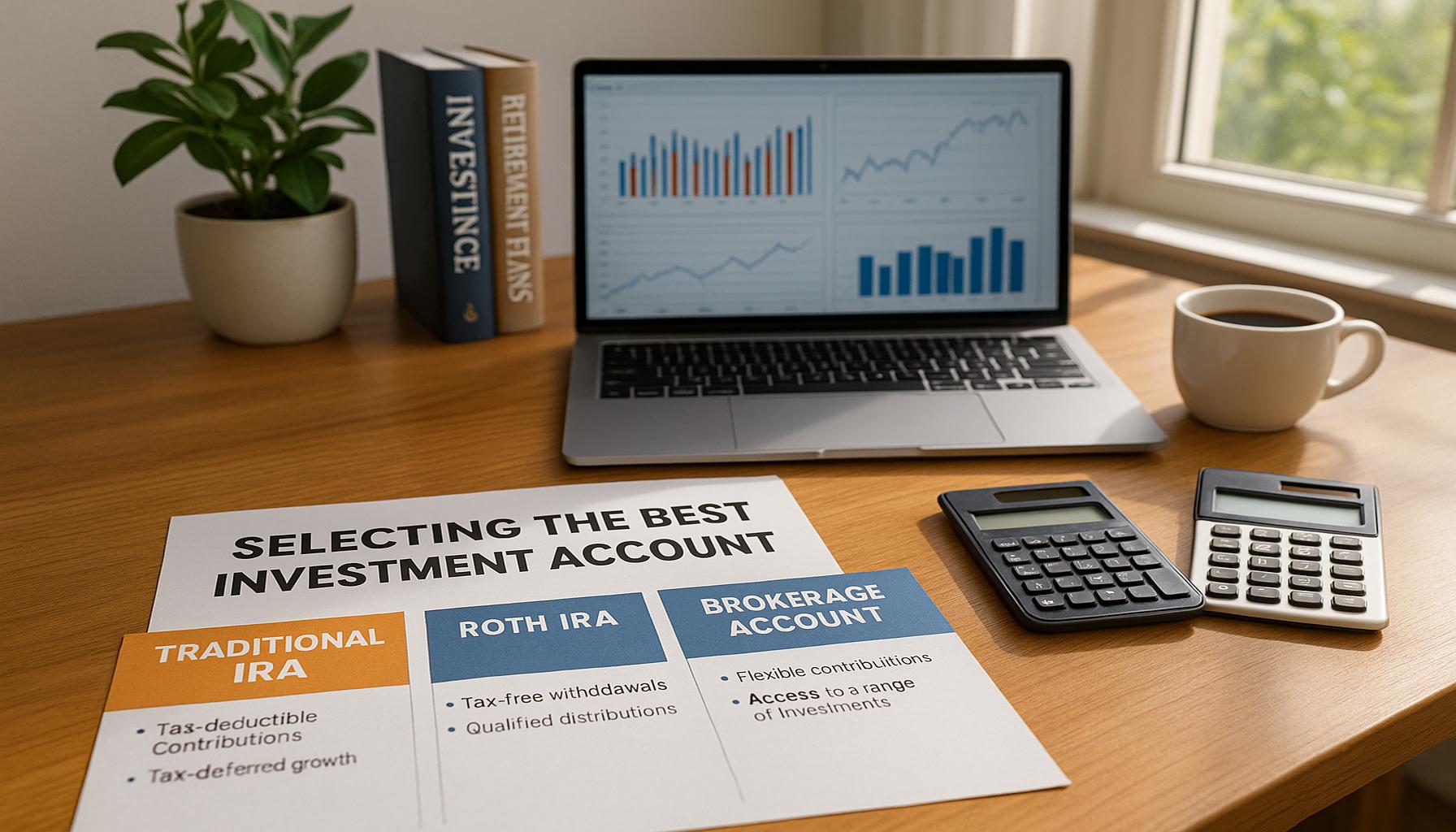
Understanding Investment Accounts
Embarking on your investment journey can be a thrilling yet daunting experience. With countless options available, finding the right type of account is crucial for building your wealth and securing your financial future. Understanding the various account types empowers you to make informed decisions that align with your goals. The right choice can set a solid foundation for your financial independence, leading you to achieve your dreams, whether that’s retiring comfortably or buying a home.
Factors to Consider
As you begin to explore your options, there are several factors to consider when selecting the best account for your investments:
- Investment Goals: Are you saving for retirement, a home, or education? Clearly defining your goals will help tailor your investment strategy. For instance, if your goal is to purchase your dream home, a high-yield savings account or a dedicated brokerage account can keep your money accessible while allowing it to grow.
- Time Horizon: Will your investments be short-term or long-term? A long-term horizon often allows you to ride out market fluctuations, making investment in a retirement account like a 401(k) or an IRA a wise choice. In contrast, if you plan to use your investments within a few years, a more liquid option, such as a brokerage account, may better suit your needs.
- Risk Tolerance: How comfortable are you with market fluctuations? Your willingness to accept risk can significantly influence your account choice. For instance, if market volatility causes you anxiety, you might prefer a more stable investment option, such as bonds, rather than high-risk stocks.
Types of Investment Accounts
Each account type offers unique features that cater to specific needs and situations:
- Brokerage Accounts: These offer the flexibility to buy and sell a wide range of investments including stocks, bonds, and mutual funds. They are ideal for individuals looking to actively manage their investments and take advantage of market opportunities.
- Retirement Accounts: Accounts like 401(k)s and IRAs provide significant tax advantages for long-term savings. Contributions to these accounts may be tax-deductible, and investment growth typically occurs tax-deferred or tax-free, depending on the account type.
- Education Savings Accounts: If saving for education is a priority, options like 529 plans offer tax benefits that can help you accumulate funds for college expenses. These accounts grow tax-free, making them powerful tools for future education costs.
By navigating these choices thoughtfully, you not only enhance your financial literacy but also take a meaningful step towards responsible investing. Remember, investing is not just about money; it’s about building a future that reflects your ambitions and aspirations. Let’s explore how to choose the best account that acts as a foundation for your financial empowerment and future success. Each decision made today can lead to a brighter tomorrow, so take the first stride and watch your financial potential unfold.
DIVE DEEPER: Click here to discover more
Assessing Your Financial Landscape
Before diving into the world of investments, it’s essential to take a comprehensive look at your financial landscape. A clear understanding of your current financial situation will guide you in selecting the right investment account. A thoughtful approach helps you build a structured plan, ensuring that your investments align with your broader financial objectives.
1. Evaluate Your Current Financial Position
Begin by assessing your income, expenses, savings, and debts. Creating a budget can be a practical step to visualize where your money is going and how much you can allocate towards investments. Here are some key points to consider:
- Emergency Fund: Before investing, it’s prudent to have an emergency fund covering three to six months of living expenses. This financial safety net provides peace of mind and protects your investments in case of unforeseen circumstances.
- Debt Management: Analyze any existing debts, particularly high-interest debts like credit cards. Paying these off should take precedence, as the interest on such debts often exceeds potential investment returns.
- Income Stability: A steady income flow enhances your ability to invest consistently. Consider how secure your job or business is and how it affects your investment strategy. A stable income can enable more aggressive investment choices.
By examining these factors, you’ll be equipped to make responsible investment decisions that encourage financial growth.
2. Understand the Investment Account Features
Different investment accounts come with various features, benefits, and limitations. Familiarizing yourself with these elements helps tailor your selections to meet your needs. Here are some features that might sway your decision:
- Fees and Commissions: Each account type has its fee structure, which can include monthly maintenance fees, trading commissions, and fund expense ratios. High fees can erode returns, so be vigilant in comparing costs.
- Investment Options: Consider the range of investment options offered within the account. A brokerage account may provide greater variety and flexibility in asset classes compared to a more restricted retirement account.
- Access to Research and Tools: Many investment accounts provide educational resources, market research, and tools to assist you in making informed decisions. Leverage these resources to enhance your investment knowledge and strategy.
Understanding these features will help you select an account that not only meets your investment goals but also supports your desire for financial growth. Choosing the right account is not merely about immediate gains; it’s about taking meaningful steps toward a prosperous financial future.
As you navigate this journey, remember that every decision counts. Making informed, conscious choices today will pave the way for more lucrative opportunities tomorrow. Embrace the journey with confidence and the understanding that you are building a solid financial foundation, one step at a time.
LEARN MORE: Click here for a step-by-step guide
Identifying Your Investment Goals
Once you have a clear picture of your financial landscape, the next step in choosing the best type of account for your investments is to clearly define your investment goals. Your objectives will significantly influence the type of account that is most suitable for you. By examining your aspirations, time horizon, and risk tolerance, you can align your investment strategy with your broader financial ambitions.
1. Define Your Investment Objectives
Understanding why you want to invest is critical in selecting the right account. Are you saving for a major purchase, such as a home, or are you looking to build long-term wealth for retirement? Consider these different objectives:
- Short-Term Goals: If your goal is to accumulate funds for a specific short-term objective, like a vacation in two years, you might want to consider accounts that offer high liquidity and lower risks, such as a high-yield savings account or a money market account.
- Long-Term Goals: For longer-term goals, like retirement or funding your children’s education, options like individual retirement accounts (IRAs) or 401(k) accounts often provide tax advantages that can enhance your savings over time.
- Balance Between Growth and Security: If you want to strike a balance between growth and safety, a diversified portfolio within a brokerage account can give you the flexibility to invest in various assets while still allowing access to your funds if needed.
Identifying your investment objectives helps you streamline your account options and align them with your aspirations, ensuring that you choose wisely.
2. Assess Your Time Horizon
Your investment time horizon—the amount of time you expect to hold your investments—plays a crucial role in selecting the appropriate account. Generally, the longer your time frame, the more risk you can afford to take. Here are some considerations:
- Long Horizons: If you are young or have a significant period before needing to access your investment, consider opening an account that allows for investments with higher growth potential, like a traditional brokerage account or a Roth IRA. These options generally allow you to invest in stocks or mutual funds that can drive substantial returns over time.
- Short Horizons: If you’re nearing retirement or have a milestone approaching, such as buying a home, opt for accounts that preserve your capital, such as certificates of deposit (CDs) or savings accounts. These options generally prioritize security over high returns.
Being aware of your time horizon permits you to select investment accounts that align with your future plans, positioning you for success on your chosen timeline.
3. Evaluate Your Risk Tolerance
Risk tolerance refers to your willingness to accept fluctuations in the value of your investments. Understanding your own comfort level with risk is vital when selecting an investment account:
- Conservative Approach: If you prefer a more conservative approach and want to avoid significant losses, consider safer accounts like money market funds or bond funds within a retirement account. These options generally offer lower volatility and more stable returns.
- Aggressive Strategy: For investors who can tolerate higher risk for potentially greater returns, a brokerage account that allows for stock trading or options may be more appropriate. Embracing risk can lead to rewarding opportunities, but be prepared for the inherent market fluctuations.
Your risk tolerance should be a guiding principle as you select accounts that align with your comfort level and investment strategy. By evaluating your risk appetite, you can make more strategic decisions, paving the way for effective and responsible investing.
DISCOVER MORE: Click here to start your investment journey
Key Considerations for Choosing an Investment Account
Choosing the right type of investment account is a pivotal step in your financial journey. It requires thoughtful consideration of your unique financial situation, clear investment objectives, a realistic assessment of your time horizon, and an honest evaluation of your risk tolerance. By taking the time to reflect on these factors, you can make informed decisions that not only align with your current needs but also support your long-term aspirations.
Understanding your investment objectives is crucial. Are you looking to build wealth for retirement, save for your child’s education, or perhaps purchase your dream home? Each goal might require a different approach. For instance, if you’re saving for retirement, you might consider a tax-advantaged account like an IRA or a 401(k), which not only helps your funds grow tax-free but can also have significant long-term impacts on your nest egg.
Your time horizon, the amount of time you plan to invest before needing to access your funds, directly affects your investment choices. Short-term goals may be better suited to safer, more liquid accounts, such as savings accounts or money market funds. In contrast, if you have a longer time horizon, investment accounts that include stocks or mutual funds may offer the growth potential necessary to meet your wealth-building objectives.
Risk tolerance entails understanding how much volatility you can handle. Some investors might prefer the stability of bonds, while others might thrive on the potential gains from stock investments, even if they come with a higher risk. Assessing your comfort level with fluctuations in your portfolio’s value is essential to selecting the right investment strategy.
There are numerous accounts available for tailored support: from traditional brokerage accounts to specialized retirement accounts, each with its own benefits and contributions limits. Be proactive in researching these various options. It’s also beneficial to seek guidance from financial advisors, who can provide personalized advice based on your specific financial landscape.
Investing is not merely about choosing an account; it’s about creating a sense of purpose and direction for your financial future. Armed with knowledge and a strategic plan, you can navigate the investment landscape with confidence. Embrace the opportunity to grow your financial well-being, and remember that every step you take toward investing—a well-researched account choice, a thoughtful investment strategy, or the discipline to stay invested—brings you closer to achieving your dreams. So take charge today—your future self will thank you!

Linda Carter
Linda Carter is a writer and expert known for producing clear, engaging, and easy-to-understand content. With solid experience guiding people in achieving their goals, she shares valuable insights and practical guidance. Her mission is to support readers in making informed choices and achieving significant progress.